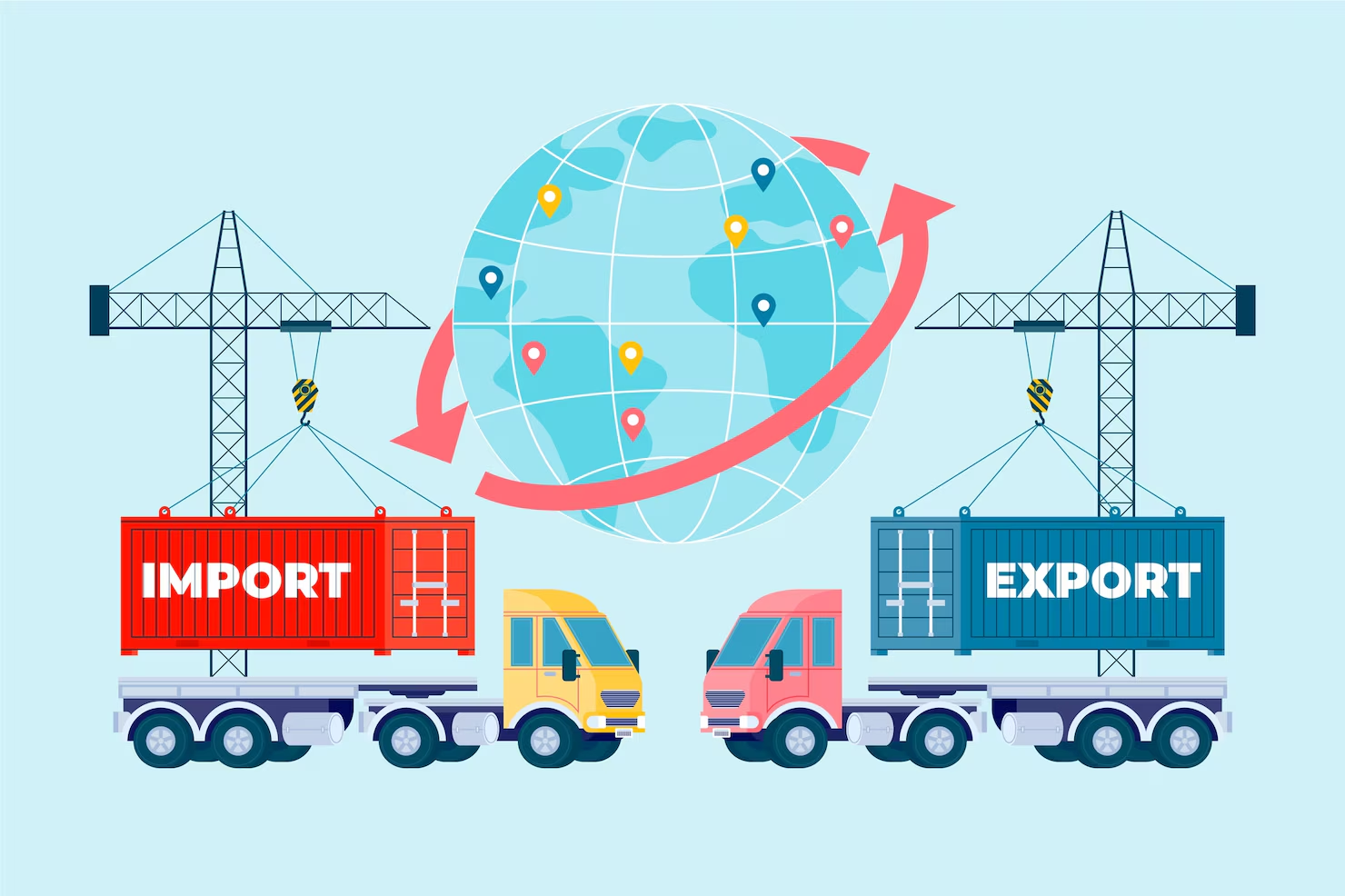
In today’s global trade environment, importing is no longer just about finding the right supplier. For UK businesses sourcing from China, selecting the right shipping terms is now a critical factor in maintaining profitability and operational efficiency. The right shipping terms China UK define responsibilities, co sts, delivery timelines, and risk allocation—making them a core part of any successful import strategy.
As we move into 2026, UK importers are prioritising clarity and control. Clear agreements reduce costly misunderstandings, prevent shipment delays, and improve supplier relationships. With evolving regulations and increasing supply chain complexity, choosing the right Incoterms is no longer optional—it’s a strategic business decision.
How Incoterms Impact Cost, Control, and Risk
Incoterms are far more than shipping labels—they determine who pays for transportation, who handles customs clearance, and at what point risk transfers from seller to buyer. Selecting the right Incoterms UK 2026 can significantly influence your overall import performance.
Each Incoterm directly affects your shipping costs, level of control over logistics, exposure to risk, and supplier accountability.
For many UK importers, the key decision is balancing cost savings with operational control. Some businesses prefer full control over logistics, while others rely on suppliers to manage the entire shipping process.
A crucial factor in this decision is import cost calculation, which includes freight charges, import duties and taxes, insurance costs, and handling and clearance fees.
Without a clear understanding of these elements, businesses risk unexpected expenses that can quickly erode profit margins.
Understanding Risk Transfer in Shipping
Every international shipment carries some level of risk—whether it’s damage, delays, or loss in transit. Incoterms clearly define when this responsibility shifts, a concept known as risk transfer shipping.
Understanding this is essential for UK importers. Depending on the Incoterm used, risk may transfer at the supplier’s warehouse, at the port of departure, or only upon delivery in the UK.
For example, terms like EXW place maximum responsibility on the buyer, while DDP keeps responsibility with the supplier until final delivery.
Equally important are shipping responsibility terms, which define who organises transport, books freight, and handles export and import documentation.
These factors directly affect delivery timelines, operational efficiency, and how much control you retain over your supply chain.
Choosing the Right Incoterm for Your Business
There is no one-size-fits-all solution when it comes to Incoterms. The best choice depends on your business model, logistics capabilities, and risk tolerance.
Many importers evaluate options through an EXW vs DDP comparison, as these represent opposite ends of the control spectrum.
Key Incoterms Explained
- EXW (Ex Works): The buyer takes full responsibility from the supplier’s premises. This offers maximum control but requires strong logistics expertise.
- FOB (Free on Board): The supplier manages export clearance and delivers goods to the port. The buyer takes over from there, making it a balanced and popular choice.
- CIF (Cost, Insurance, Freight): The supplier arranges shipping and insurance. While convenient, buyers have less control over freight quality and costs.
- DDP (Delivered Duty Paid): The supplier handles everything, including duties and final delivery. This is the simplest option but often comes with higher overall costs.
Choosing the right term depends on how involved you want to be in the shipping process and how much control your business requires.
Building a Smarter Import Strategy in 2026
Modern UK importers are adopting a more strategic, data-driven approach when selecting Incoterms. Instead of relying on habit or supplier preference, businesses are analysing supplier performance, shipping reliability, total landed costs, and risk exposure.
Aligning your shipping terms with your broader business strategy ensures smoother operations and stronger supplier partnerships.
Using the right shipping terms China UK can streamline logistics, improve cost forecasting, reduce delays and disputes, and enhance overall supply chain efficiency.
Additionally, staying aligned with updated Incoterms UK 2026 standards helps businesses remain competitive in an increasingly complex global trade environment.
Accurate import cost calculation and a clear understanding of risk transfer allow businesses to plan effectively, protect margins, and minimise unexpected disruptions.
Conclusion
Choosing the right Incoterms is no longer just a logistical decision—it’s a key component of a successful import strategy. UK businesses that understand cost structures, risk allocation, and shipping responsibilities are far better positioned to thrive in international trade.
By making informed decisions and leveraging expert support, companies can simplify complex sourcing and shipping processes. Working with experienced partners like Avartek Sourcing enables UK importers to navigate global trade more efficiently, reduce risk, and build a more reliable supply chain for long-term growth.